How Cultural and Collective Trauma Shapes Identity and Healing
You might understand trauma through the lens of individual experiences, but some wounds are carried collectively. The histories of our families, cultures, and communities can influence how we see ourselves, relate to others, and experience the world.
Understanding Cultural and Collective Trauma
Collective trauma refers to the psychological and emotional impact of devastating experiences shared by a group or community. We might think about the historical and ongoing experiences of Black communities in America, Native and Indigenous communities, or the collective impact of a natural disaster or tragedy.
Cultural trauma describes how significant historical or ongoing experiences, including racism, sexism, homophobia, and displacement, can become woven into a group's shared identity, beliefs, and collective memory.
These experiences can also influence subsequent generations through family dynamics, learned behaviors, internalized beliefs, attachment and relationship patterns, cultural narratives, and social and economic conditions. This means that you may experience the effects of trauma even if you didn't directly experience the original event.
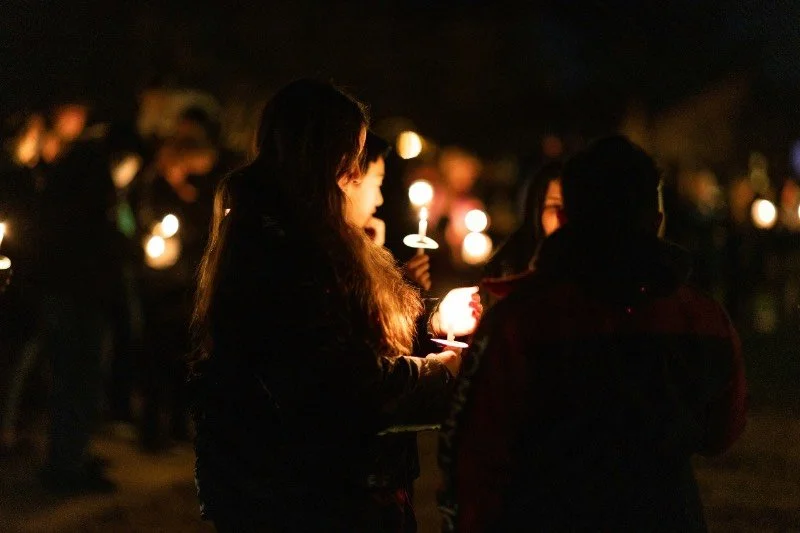
How Collective Trauma Shapes Identity
What does this mean for individuals within these communities? It can influence how you understand yourself and your place in the world in many ways.
Collective trauma may shape your sense of belonging, including where you feel accepted, safe, and connected. Your family and cultural identity, along with the stories, traditions, values, and sometimes unspoken experiences passed down through generations, can influence how you understand yourself and how much trust you feel toward others and institutions.
Sometimes, these experiences can contribute to emotional patterns such as shame, grief, hypervigilance, fear, or a strong need for self-reliance. It's important to recognize that these responses often develop as ways of navigating difficult or unsafe circumstances. These are adaptive strategies for survival, not personal failings.
Healing Means Honoring the Past While Creating New Possibilities
When working with cultural and collective trauma, healing begins with acknowledging and making space for these historical experiences. And making space for whatever emotions arise in response. This work can also involve reconnecting with cultural identity, spirituality, community traditions, and ancestral strengths.
This work may include exploring patterns and cycles that have been passed down through generations, developing awareness of how they influence your life today, and considering whether certain beliefs or behaviors still serve you. When we acknowledge the patterns we’ve inherited, then we get to examine how we might want to change them. We might also help you to find supportive relationships and communities where you feel a sense of belonging as part of your healing. This process is a collaborative one. And when the traumatic experiences have been relational in nature, then the healing is relational.
There is room in this process for both the pain and the resilience in your experiences. Healing doesn't require you to let go of your cultural identity or reject where you come from. Instead, it can offer an opportunity to understand your experiences with greater compassion and a restored sense of agency.
Healing Is Both Personal and Collective
You are not defined by the trauma experienced by your ancestors or your community, even though these histories may have helped shape who you are. Through healing, you can begin to reclaim agency, connection, and a sense of belonging.
We are shaped by the histories we inherit, but we are not limited to repeating them. Healing does not mean forgetting where we come from. It means creating space to understand how our histories have shaped us while recognizing our capacity to build new ways of relating to ourselves, others, and the world. If you're interested in exploring how your personal, family, or cultural history may be influencing your experiences today, I invite you to reach out about how trauma therapy can provide a supportive space to explore these connections, honor your experiences, and make room for new possibilities.